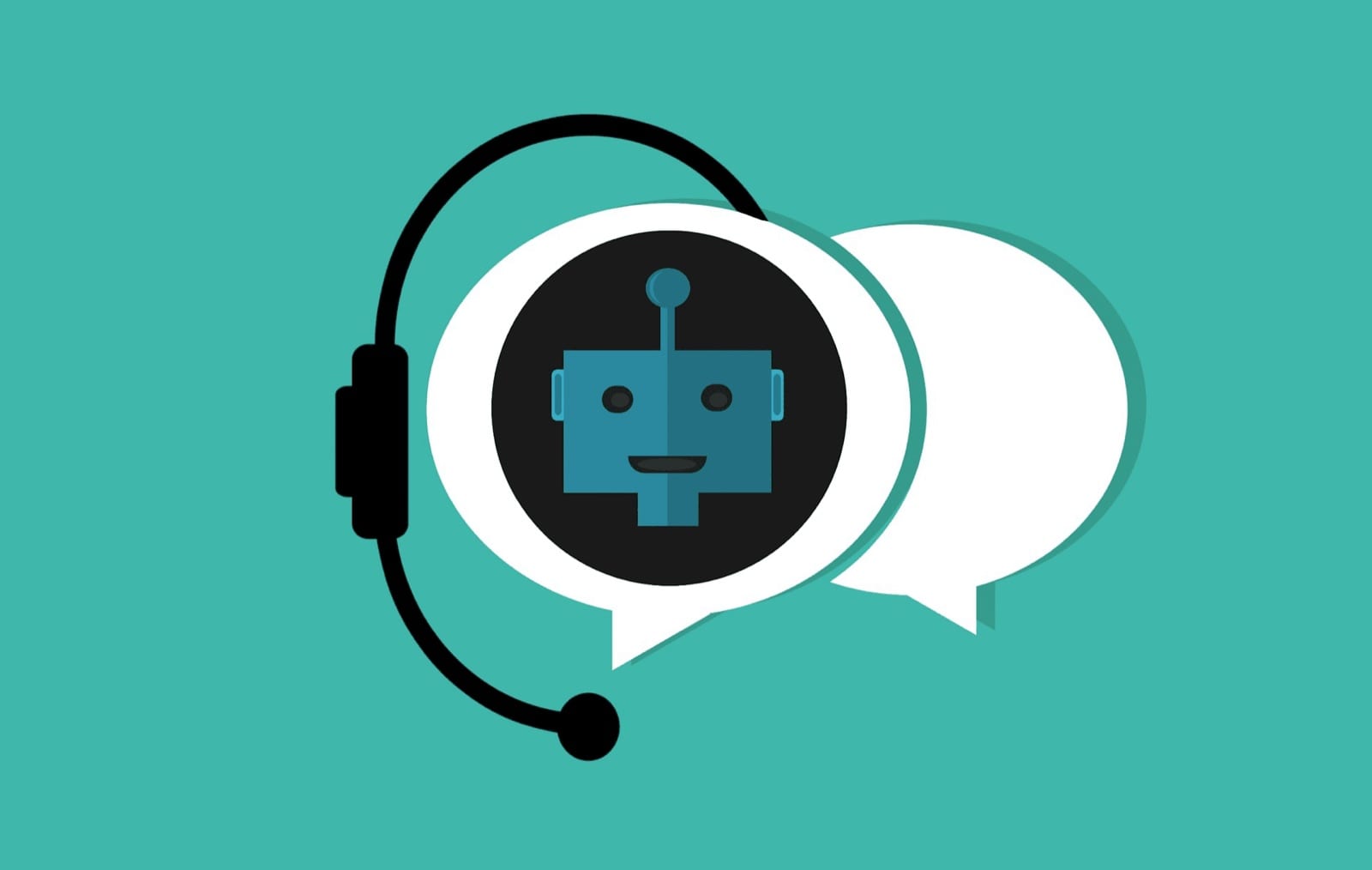
A chatbot is a piece of software that conducts a conversation via auditory or textual methods. Such programs are often designed to convincingly simulate how a human would behave as a conversational partner, although as of 2019, they are far short of being able to pass the Turing test. Chatbots are typically used in dialog systems for various practical purposes including customer service or information acquisition. Some chatbots use sophisticated natural language processing systems, but many simpler ones scan for keywords within the input, then pull a reply with the most matching keywords, or the most similar wording pattern, from a database.
The term "ChatterBot" was originally coined by Michael Mauldin (creator of the first Verbot, Julia) in 1994 to describe these conversational programs. Today, most chatbots are accessed via virtual assistants such as Google Assistant and Amazon Alexa, via messaging apps such as Facebook Messenger or WeChat, or via individual organizations' apps and websites. Chatbots can be classified into usage categories that include conversational commerce (e-commerce via chat), education, entertainment, finance, health, news, and productivity.
Beyond chatbots, Conversational AI refers to the use of messaging apps, speech-based assistants and chatbots to automate communication and create personalized customer experiences at scale.