The oldest example of written literature dates back to 3400 BC from ancient Mesopotamia. Text includes economic and administrative documents, forever etched into clay tablets.
Back in 2015 Google's then vice-president Vint Cerf warned that all digital information will eventually be wiped out due to tech upgrades, creating a digital black hole in the future. But technology will probably offer our future generations a way to recover history, similarly to how archaeologists today try to uncover the past by digging up tiny bits of our history. Pieces of old magnetic hard drives, bits of solid-state chips, or perhaps even listening to ancient human broadcasts that have found their way back to Earth (or Mars) after bouncing back off distant celestial objects.
But will they be able to trust what they find? Will they build a completely different version of history because of facts skewed over time? Especially with the amount of AI generated content we are already seeing on the horizon, compounded by the risk of new AI models being contaminated with existing AI generated content. Like a snake snacking on its own tail.
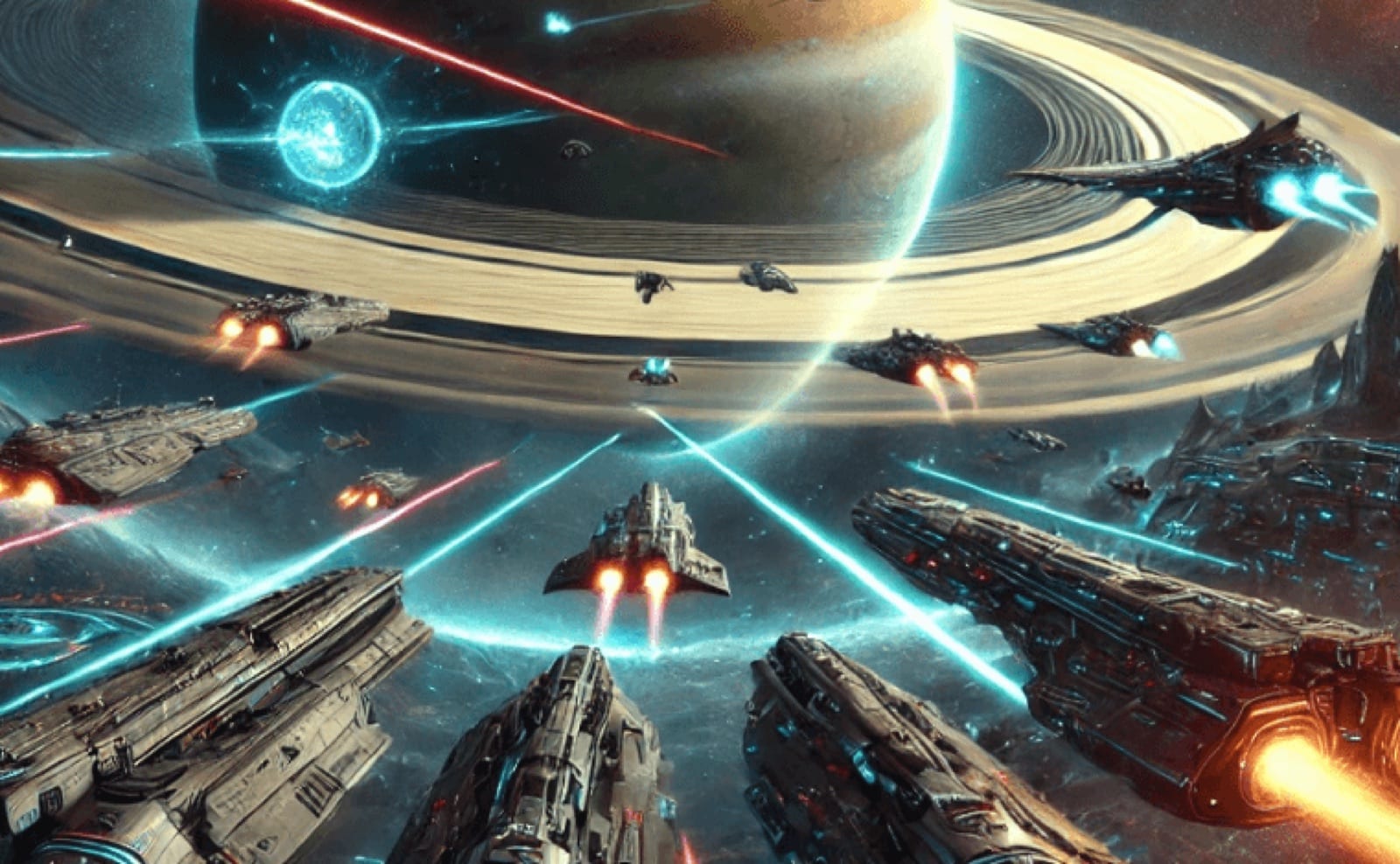
A simple experiment by the First Digital genAI forum ran a paragraph of text from Wikipedia through a leading LLM. We deliberately engineered a "rewrite this" prompt that would subtly alter a single fact in the paragraph on each iteration. Pass after pass, the text drifted, until a passage that began as real World War II history had quietly become a tale of fictional cosmic warfare.
May the force be with us.